The StarC4Sys – Sentrycs C-UAS Solution: An Invisible Shield Against Drones. Lessons from a Field Demonstration for Romania.
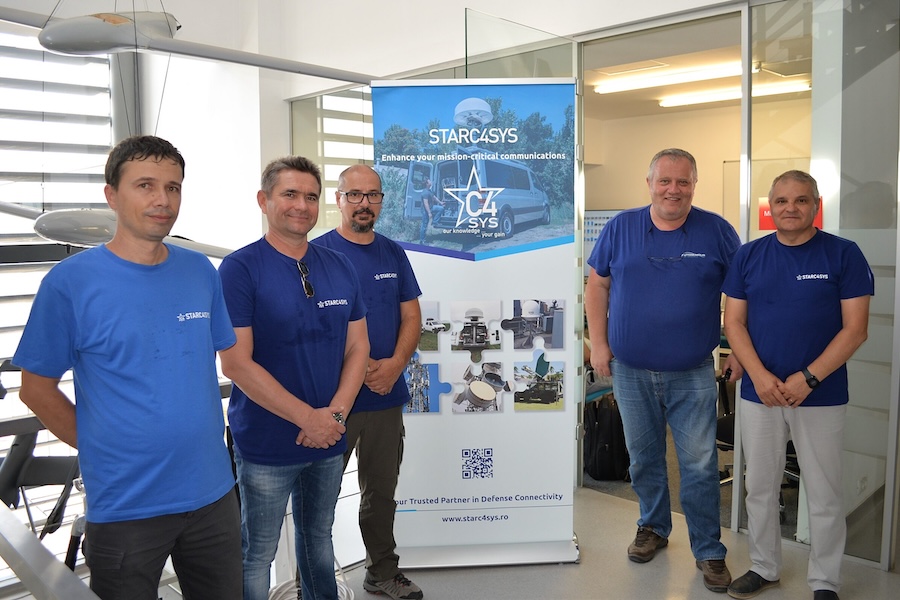
Technology in action: first-hand experience.
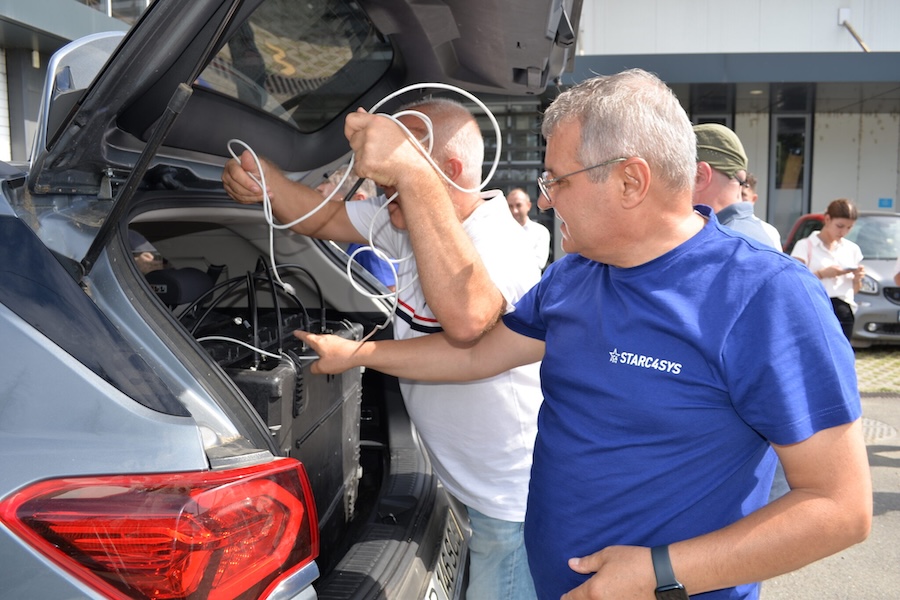
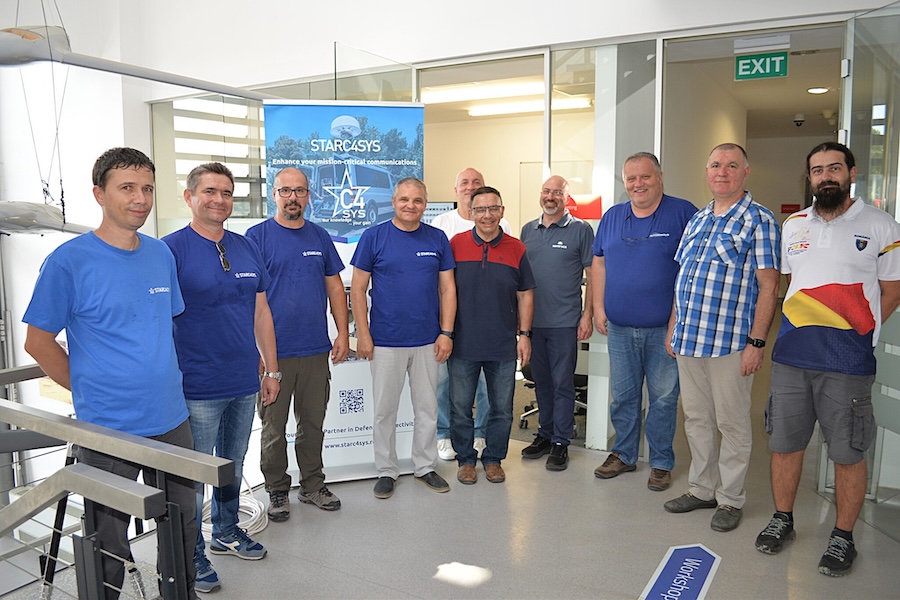
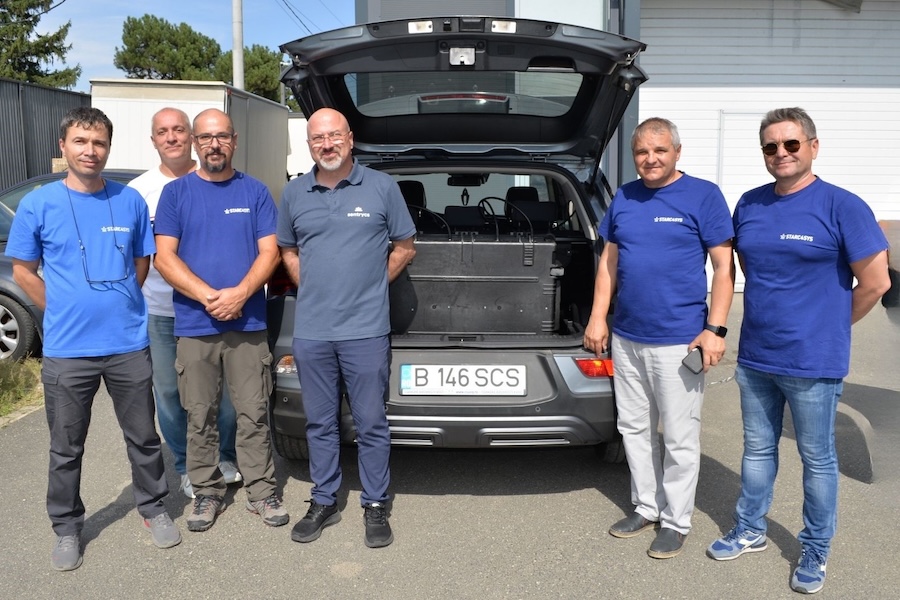
At a site located near Bucharest, in Clinceni, during a demonstration organized by the romanian company StarC4Sys in cooperation with a technology partner, we were able to observe in real time how the Sentrycs C-UAS solution detects, classifies, and neutralizes intruding drones. This was not a laboratory exercise, but a practical demonstration conducted under operational conditions, encompassing all the unpredictability inherent to an open environment.
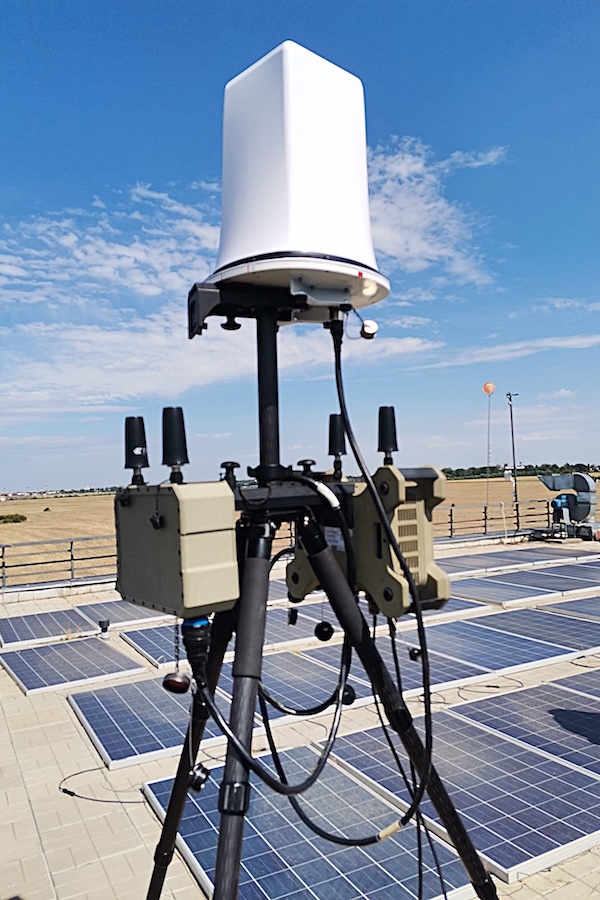
The event brought to the forefront one of the most advanced Counter-Unmanned Aircraft Systems (C-UAS), presented live for the first time to decision-makers in Romania.
Specifically, in its capacity as the Romanian representative of the Israeli company Sentrycs Ltd., StarC4Sys organized, together with the manufacturer, a demonstration of the technical and operational capabilities of the Sentrycs C-UAS solution, hosted by another StarC4Sys partner, Autonomous Flight Technologies, one of the pioneers of the UAV (Unmanned Aerial Vehicle) industry in Romania.
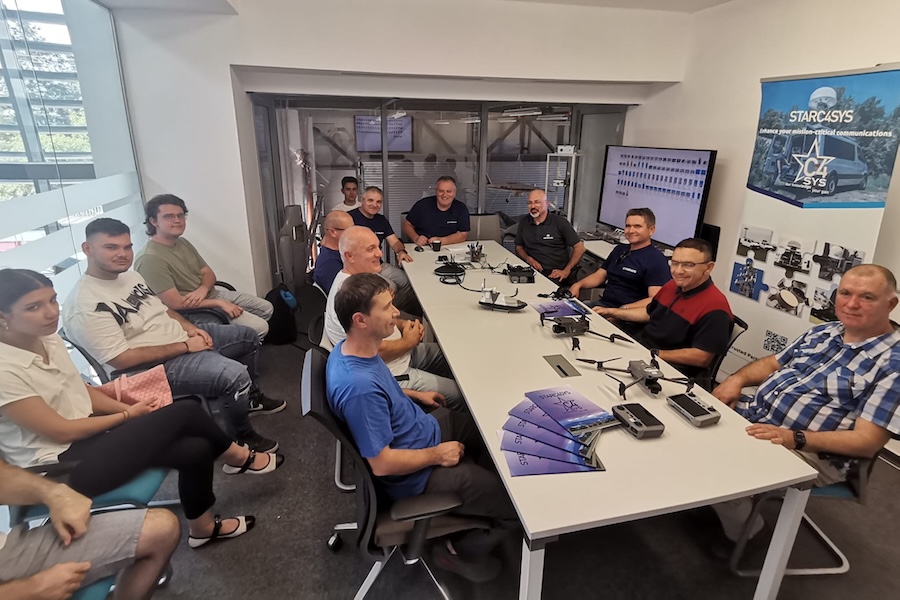
The demonstration took place in the presence of officials from the Ministry of National Defence (MApN), the Special Telecommunications Service (STS), and the Romanian Intelligence Service (SRI), as well as students from the Radio Spectrum Monitoring and Management Laboratory initiated by George–Cristian Ghimfus, founder and owner of StarC4Sys, at the National University of Science and Technology POLITEHNICA Bucharest.
It effectively served as a hands-on seminar for the ‘StarC4Sys students,’ reflecting the strong commitment of this private company to training its future workforce. The participating students had the opportunity to witness, in a real-world setting, the practical application of laboratory theory drawn from the most up-to-date global reference materials, on the operational grounds of a fully Romanian company.
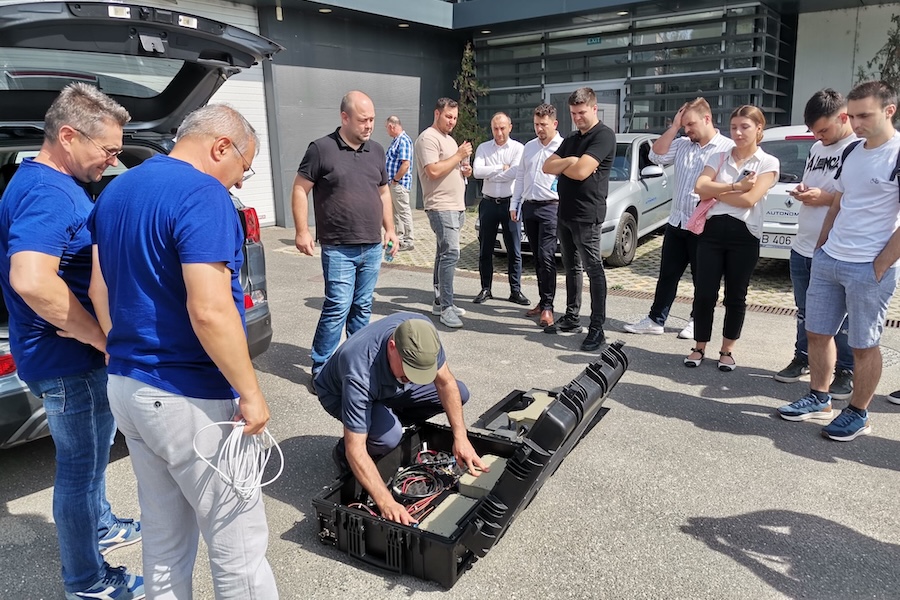
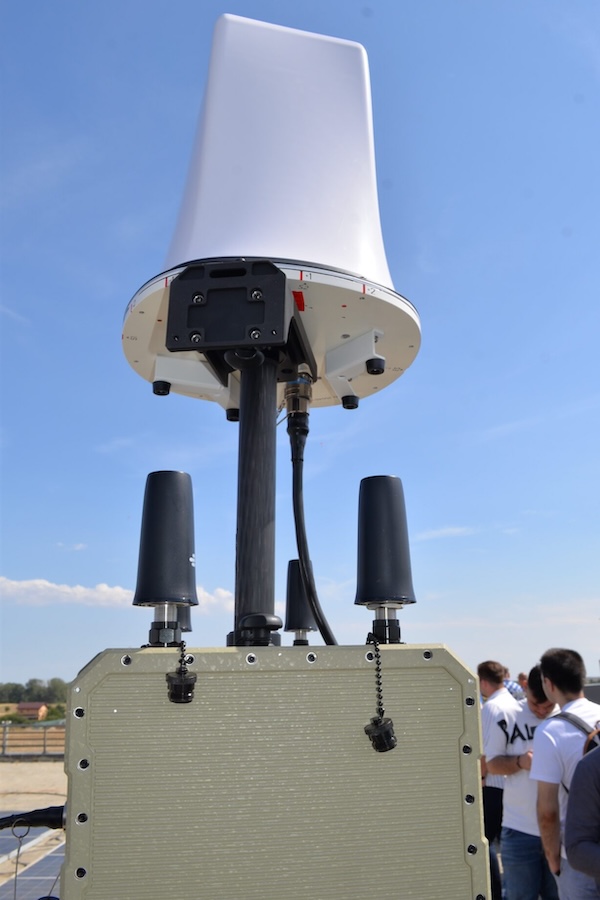
The Sentrycs C-UAS proved to be far more than a conventional jamming system. The platform is capable of recognizing the unique radio-frequency signature of each drone, accurately identifying it, and applying a tailored countermeasure. Rather than relying on kinetic or disruptive solutions that could cause collateral damage, the system demonstrated the ability to sever the link between the drone and its operator, prompting a controlled landing or redirection.
This first-hand experience confirmed that the technology is mature and ready for integration into critical infrastructure protection frameworks or military operations.
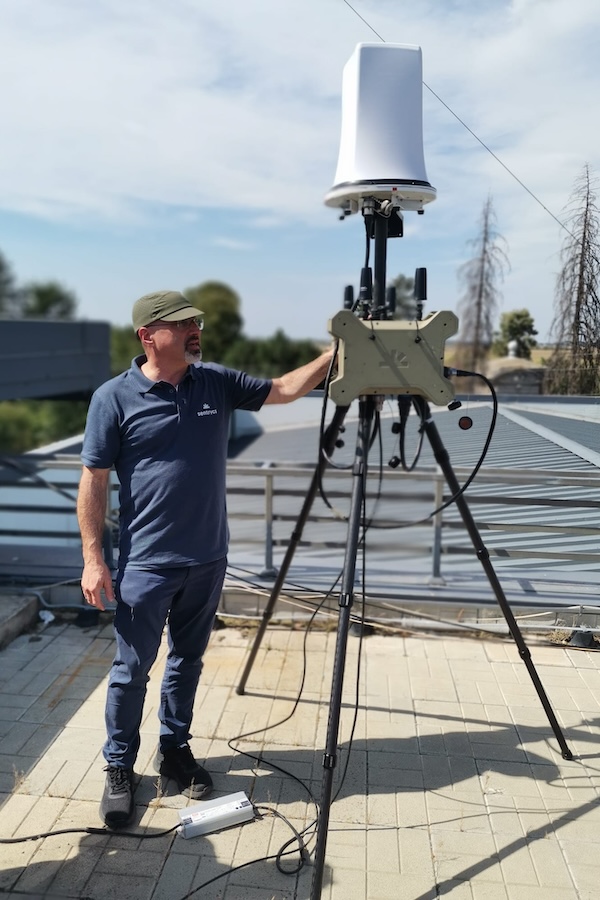
The Sentrycs C-UAS solution is capable of detecting, identifying, monitoring, and conducting controlled neutralization - via Cyber over RF takeover - of known commercial drones registered within the system’s library. For the category of DIY (Do-It-Yourself) drones, the Sentrycs C-UAS solution is complemented by the Sentrycs Horizon module, which continuously analyzes the electromagnetic (RF) environment and, through self-learning mechanisms, identifies signals that may originate from communication modules installed on DIY drones, ground control units, or other radio equipment, and alerts the operator to their presence.
Why Romania Needs the Sentrycs – StarC4Sys Solution.
Drones are no longer merely a theoretical concern. They are being used in the war in Ukraine to carry out attacks on power plants, ammunition depots, and even civilian areas. As a NATO and EU border state, Romania cannot afford to ignore these threats.
There are three key reasons why the rapid adoption of C-UAS (Counter-Unmanned Aerial Systems) solutions is vital:
- Security of the eastern borders – where illegal trafficking and hybrid threats are becoming increasingly frequent.
- Protection of critical infrastructure – from the Cernavodă nuclear power plant to maritime ports and energy pipelines.
- International credibility – Romania must demonstrate to NATO partners that it has the capacity to safeguard strategic events and respond to emerging forms of conflict.
Solution Overview
Beyond the field demonstration, the technical architecture of Sentrycs is built on four pillars:
- Detection through RF analysis, correlated with optical sensors and low-altitude radars.
- Identification and classification using AI algorithms that distinguish commercial drones from potentially military UAVs.
- Non-kinetic neutralization by disrupting the operator’s control and enforcing a controlled landing.
- C2 (Command & Control) integration, compatible with NATO infrastructures and other security systems.
This level of sophistication enables the solution to be deployed in a wide range of scenarios: from protecting a stadium during an international match to defending a military base.
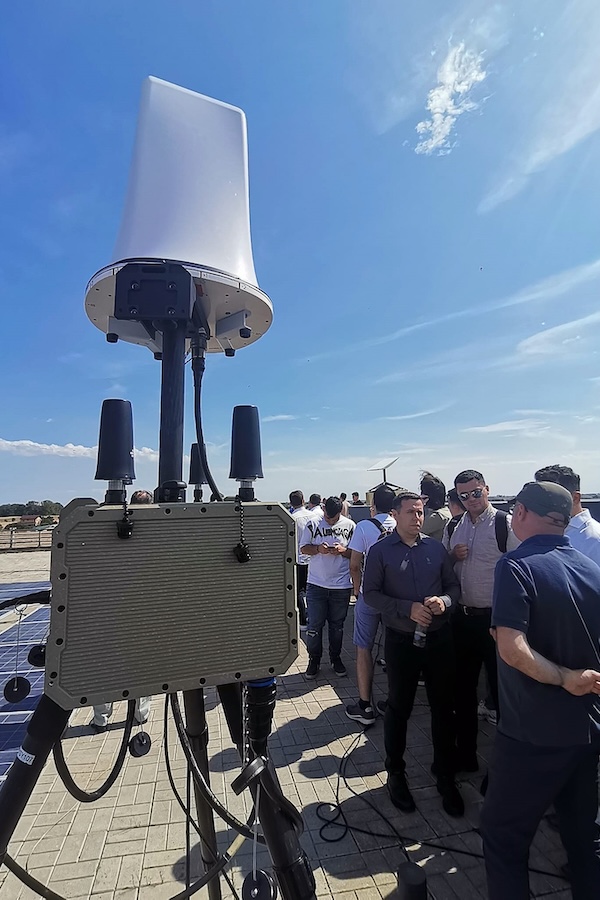
The system is built modularly and integrates:
- Continuous RF detection, capable of identifying a drone’s type and model based on its electronic signature;
- Proprietary signal analysis algorithms for fast and accurate recognition;
- Neutralization via takeover, without jamming and without affecting communication infrastructures;
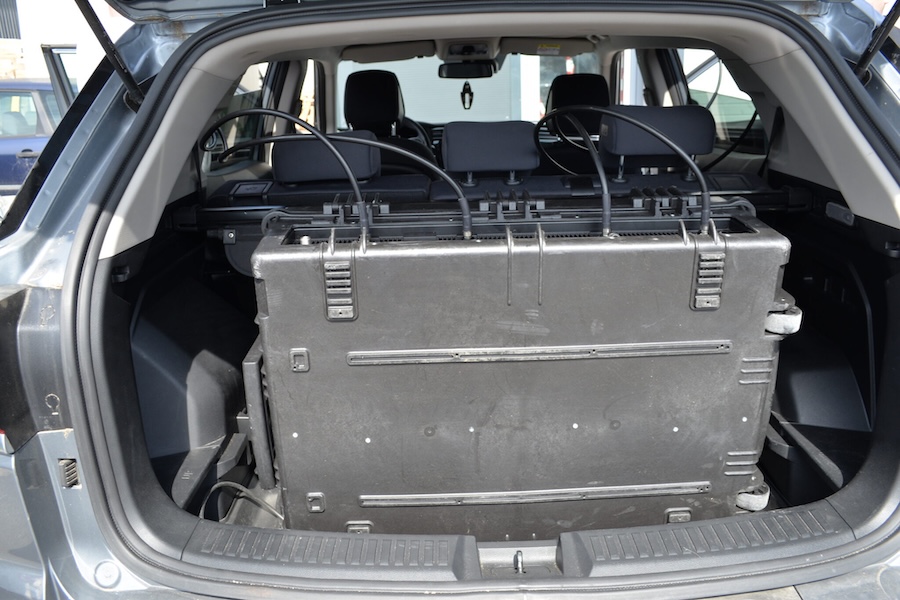
- Scalability – deployable on fixed infrastructures or mobile platforms.
International Lessons: Romania’s Current Position
Poland – Since 2022, Poland has invested in national C-UAS programs, deploying anti-drone systems at its borders and near critical infrastructure. The country has benefited from technology transfer and local production, strengthening its domestic defense industry.
Estonia – Estonia has integrated AI-based neutralization solutions into its digital security system. Tallinn has become a NATO testing hub for C-UAS technologies, combining local expertise with international partnerships.
Israel – A global leader in the field, with solutions actively used in real-time against UAV attacks. Systems include electronic neutralization and physical interception, providing a model for direct adaptation to field threats.
USA – Employs a multi-layered approach: portable solutions for troops, fixed systems for bases, urban integration, and advanced research through DARPA. The focus is on interoperability and standardization.
In comparison, Romania is at the beginning of the journey. While Poland and Estonia are already active players, Romania is still in the demonstration phase.
Civil Applications in Romania
The demonstration near Bucharest clearly showed that the Sentrycs C-UAS is not solely a military solution. Civil applications are numerous and urgent. Here are a few examples:
- Airports: preventing drone intrusions in flight zones (Otopeni, Cluj, Iași, Constanța).
- Major public events: protecting stadiums and arenas during international competitions.
- Energy and nuclear plants: defense against hybrid attacks.
- Refineries and industrial depots: preventing accidents caused by hostile drones.
- Government buildings and embassies: providing additional security against aerial surveillance.
In all these scenarios, non-kinetic neutralization is essential: there is no risk of an intercepted drone crashing onto crowds or critical infrastructure.
The Convergence of Defense, Telecom, and AI
Another major observation from the field is that the Sentrycs C-UAS is not merely a conventional military system, but a bridge between multiple disciplines:
Telecom – it operates in the RF spectrum, requiring coordination with regulators and telecom operators.
Artificial Intelligence – identification and classification are performed through machine learning algorithms, refined with operational data.
Cybersecurity – neutralization relies on communication interception, turning the solution into a cyber-defense tool applied in the physical domain.
This convergence demonstrates that anti-drone protection is becoming an integral part of the national digital ecosystem.
For ICT, defense, and telecom professionals, the message is clear: the drone era is not a future scenario, but a present reality.
For Romania, positioned on NATO’s eastern flank, C-UAS solutions represent a strategic priority. The demonstration in Bucharest showed that such solutions can provide an optimal balance between national security and civilian protection - exactly what is required in the current geopolitical context.
Next steps could include extended testing and pilot programs, both in military zones and for the protection of critical infrastructure (airports, power plants, government facilities), with solutions like the one demonstrated by StarC4Sys proving to be not merely optional, but vital.
For more details about the event, visit the official link:
https://comunic.ro/solutia-c-uas-starc4sys-sentrycs-scutul-invizibil-impotriva-dronelor-lectia-unei-demonstratii-pe-teren-pentru-romania/